
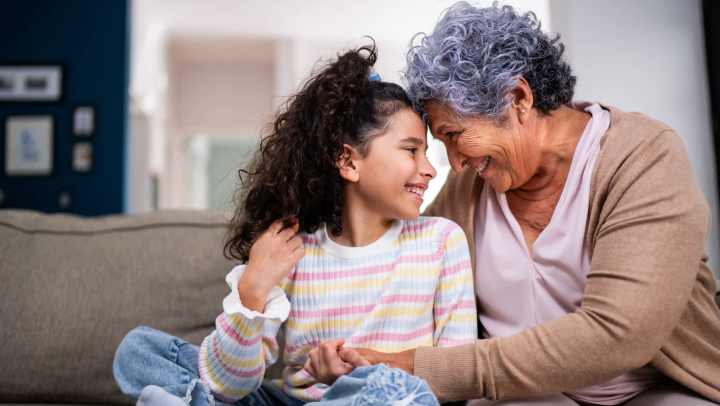
Older adults are living longer, and more families are caring for aging parents than ever before. That creates a real opportunity: stronger bonds between generations. These relationships aren't just nice to have. They can improve health, ease loneliness, and give everyone a greater sense of purpose.
In this article, we’ll explore how intergenerational relationships benefit seniors, children and young adults, whole communities, and life in senior living communities. Whether you’re a senior living alone or you’re caring for a parent or grandparent, learn how to make these connections part of a healthier everyday life.
Key Takeaways
-
Intergenerational relationships boost mental, emotional, and physical health for both older adults and young people.
- Time with younger family members or friends keeps seniors more active in mind and body.
- Close ties with grandparents help children build confidence, resilience, and a sense of identity.
- >Strong social bonds can lead to more inclusive communities.
- Assisted living and memory care communities create built-in opportunities for connection across generations, contributing to improved well-being and longevity.
- Caregivers can strengthen intergenerational bonds for a loved one with simple activities that encourage conversation, shared experiences, and senior partnerships.
Meaningful connections across age groups improve well-being at any stage of life. Many seniors will tell you these bonds simply "keep them young." And research backs that up.
These relationships don't have to be familial. A grandparent, a mentor, a longtime teacher, or a friendly younger neighbor can all fill the role. Here's what older adults gain.
Sharper Minds
New conversations, unfamiliar topics, and even learning a grandchild's favorite app all work the brain like exercise. Regular contact with grandchildren, students, or younger friends helps seniors:
- Stay mentally engaged
- Lower the risk of cognitive decline
- Keep their memory and focus strong
Better Physical Health
Social connection is directly tied to better senior health. Loneliness and isolation raise the risk of serious health problems, and seniors are especially vulnerable as their social circles shrink.
Strong relationships help by:
- Lowering stress
- Supporting heart health
- Boosting the immune system
- Reducing hospital visits
Active time with grandkids adds movement, too, whether you’re babysitting, visiting, or enjoying an outing. Playing, walking, and exploring improve balance, strength, and coordination, which can lower the risk of falls, a leading cause of injury for adults over 65.
A Renewed Sense of Purpose
Recovering a sense of purpose may be the biggest benefit of all. Sharing life stories, family history, and hard-earned wisdom gives older adults a deep sense of value. Knowing that someone is interested in hearing what they have to say is a reminder that they have something to offer. This feeling of being able to contribute protects against loneliness and lifts emotional health.
How Children and Young Adults Benefit
The rewards of intergenerational relationships go both ways. A closer bond with an older loved one gives young people a safe, judgment-free place to turn for advice and support.
Mentorship and Stability
Older adults bring a lifetime of experience to the table. Young people benefit from that guidance when they face tough decisions. Support from someone other than a parent offers fresh perspective and a stronger sense of stability.
Family History and Culture
Grandparents are a living link to where a family comes from. Through stories, keepsakes, and traditions, they pass down:
- Family history
- Cultural practices
- Local history and roots
That knowledge helps young people understand who they are and where they belong.
Confidence and Sense of Self
Grandparents offer steady, unconditional love. Studies show that children with involved grandparents tend to have fewer emotional and behavioral struggles. When young people feel accepted, their confidence grows, and they're better prepared to face the world.
How Communities Benefit
Intergenerational relationships strengthen more than families. They strengthen neighborhoods.
When generations spend time together, they trade knowledge, skills, and perspective. That exchange builds a healthier, more connected community. It also breaks down ageist stereotypes on both sides.
The result is simple: more empathy, more understanding, and more respect between young and old.
How Senior Living Communities Make Connection Easy
One of the many advantages of moving to an assisted living community is the chance to build relationships with people of all ages. Residents connect with staff, volunteers, guests, neighbors, and visiting family members, young and old alike. These opportunities are often more frequent and accessible in a community setting compared to living alone.
Here's what that intergenerational connection looks like day to day for senior living residents:
- Regular programs: Communities schedule activities with local students, church groups, and civic organizations.
- Shared experiences: Classroom visits, student-led worship, scout service projects, and college partnerships bring generations together.
- Built-in support: Residents without nearby family find caring relationships within the community.
- New friendships: Seniors enjoy getting to know the families of fellow residents.
- Less loneliness: Daily contact with staff of all ages offers connection, even for the most private residents.
For seniors living with dementia, this daily interaction helps preserve brain health, encouraging engagement, improving mood, supporting communication, and sparking memories.
Whether your loved one resides in an assisted living or memory care community, connection stays within reach, as communities welcome visits with loved ones and friends of every age. Residents are encouraged to spend time with family members and often find ways to volunteer or mentor locally or within the community.
Intergenerational Relationships are Good for Everyone
Seniors stay sharper, healthier, and more fulfilled. Young people gain confidence, guidance, and roots. Communities grow more connected and compassionate. And senior living communities make these connections part of everyday life.
Are you looking to strengthen intergenerational bonds for your senior loved one? If so, you don’t need a big plan to start. Try one of these options this week:
- Schedule a regular video call between grandkids and grandparents.
- Ask an older loved one to share one family story and write it down.
- Cook a favorite recipe together across generations.
- Look for local programs that pair seniors with youth.
Small, steady moments add up. For a loved one living alone at home or in a community, any of these activities can offer connection. That's how lasting bonds are built.
A Closing Note for Family Caregivers
If you're caring for an aging parent, you know how heavy loneliness can weigh on them, and on you. A community built around connection can lift some of that load. Your loved one gains friendship and purposeful activity. You gain peace of mind knowing they're safe, engaged, and supported. That's the heart of good caregiver support: helping seniors live fuller lives while giving families room to breathe.
If living alone no longer feels safe for your loved one, or you’ve noticed signs of loneliness, it may be time to consider assisted living or memory care options.
At Stoney Brook, we’re committed to helping families find the right option for their loved one, whether they’re seeking a supportive assisted living community or a specialized memory care setting. To learn more about our relationship-centered living options, talk with a Stoney Brook senior care expert today, or subscribe to our blog for helpful resources.